Italian food is celebrated everywhere, but some dishes reveal their true character only when you taste them in the place where they were born. The ingredients are fresher, the traditions run deeper, and the rhythm of daily life shapes the flavor in ways a recipe alone never could. It is not just the taste that changes, but the entire experience around it, from the landscape to the hands that prepare it. Across Italy, from the terraced hills of Liguria to the golden fields of Lombardy and the sunlit coasts of Campania and Sicily, certain foods simply reach their peak. These dishes are woven into the story of their region, shaped by climate, history, and the people who have passed them down for generations. Here are five Italian foods that are good anywhere, but extraordinary when enjoyed in the places that created them.


Tagliatelle al Ragù in Bologna
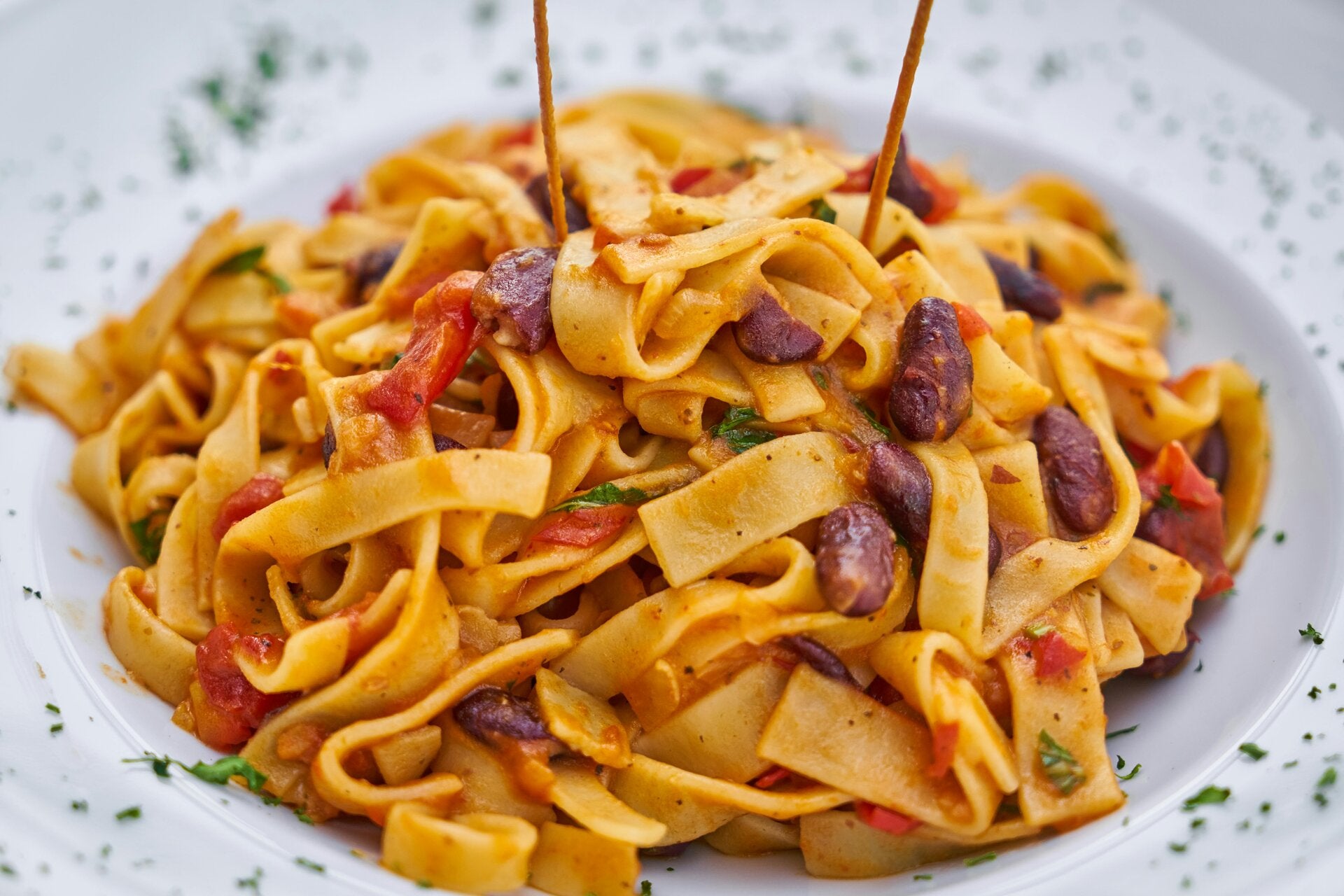
There are dishes that travel well, and dishes that simply refuse to leave home. Tagliatelle al ragù belongs firmly in the second category. In Bologna, the dish feels less like a recipe and more like a quiet act of devotion, tended to with the same care families have passed down for generations. You can taste that history the moment you sit at the table. The magic begins long before the sauce ever reaches the plate. It starts with fresh eggs, flour, and the rhythmic motion of hands that have been rolling pasta for decades. You can see a grandmother in Bologna leaning over a wooden board, guiding a thin sheet of dough into long, silky ribbons, each one cut with the steady confidence of someone who learned by watching her own grandmother. That texture, tender yet structured, is something you simply cannot replicate with boxed pasta. Then comes the ragù: a slow simmer of meat, vegetables, wine, and time. Every household has its own version, and each one carries a personal stamp. Some cooks add a touch more tomato, some prefer a deeper wine, and others swear by the gentle sweetness of milk. No two families agree, and that is exactly what makes it so special.
Pesto alla Genovese in Liguria
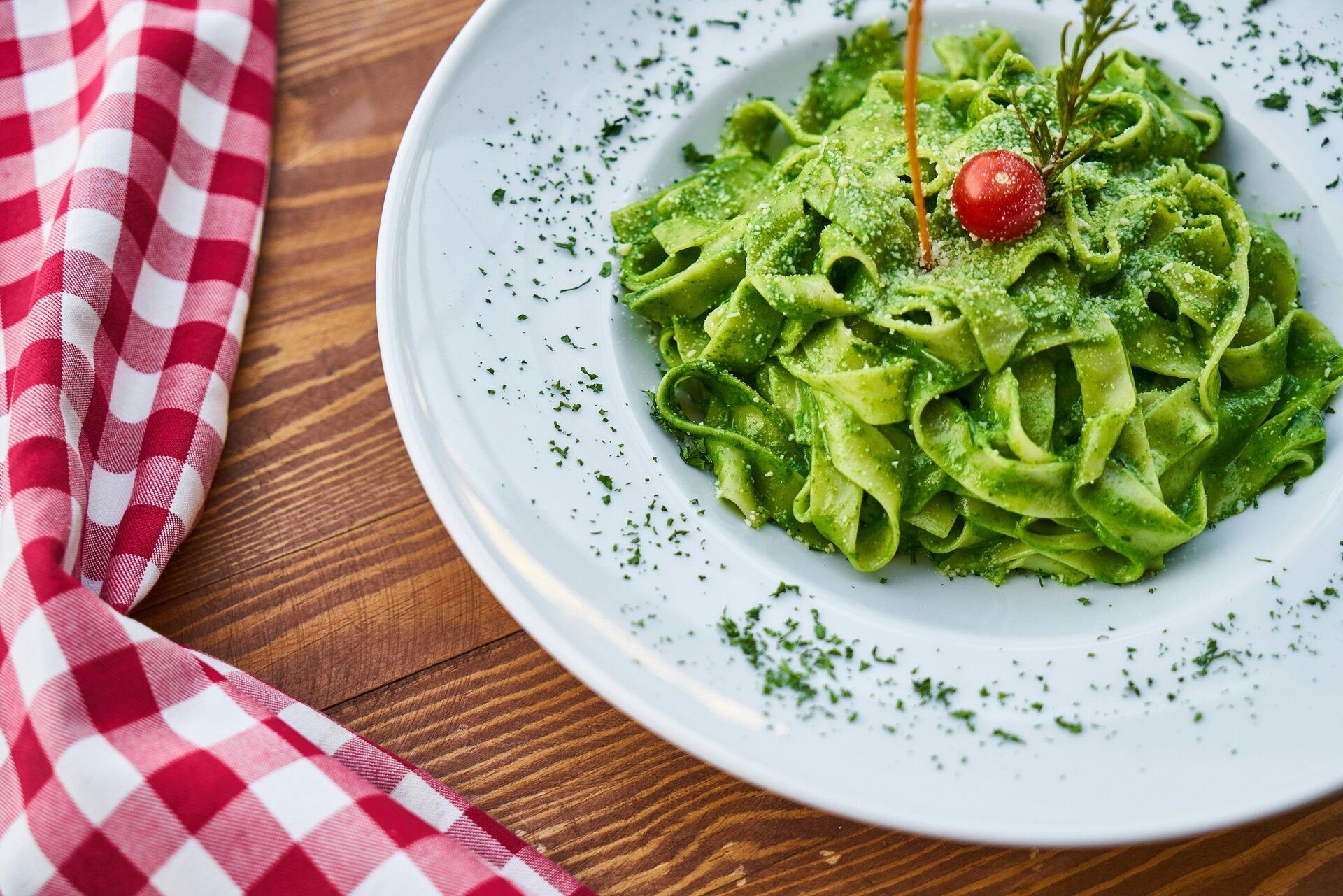
Pesto alla Genovese is one of those rare foods that tastes completely different when eaten in the place where it was born. The tiny leaf basil grown along the Ligurian coast has a fragrance that borders on floral, shaped by the salt in the air and the long hours of sunlight that bathe the terraced hills. Paired with fruity olive oil, aged cheeses, garlic, and pine nuts, the result is a sauce that feels both delicate and unforgettable. The heart of true pesto is the way it is made. Imagine a quiet terrace overlooking the sea, a mortar held steady on a stone table, and a cook gently pressing basil leaves into a bright green paste. The rhythm is slow and patient, and the texture becomes something no food processor can imitate. It is a technique that has been preserved for generations. On our tours through Liguria, guests often have the chance to learn this tradition directly from local cooks who still prepare pesto the old way with a mortar and pestle. It offers a deeper appreciation for how the region’s herbs, cheeses, and olive oil come together, and why this simple green sauce remains one of Italy’s most beloved flavors.
Buffalo Mozzarella in Campania
Few foods capture the spirit of southern Italy as beautifully as fresh mozzarella made from buffalo milk. Tasting it in Campania is an experience that feels entirely different from anything found abroad. The cheese is creamy, cool, and almost impossibly delicate, with a gentle sweetness that appears only when it is enjoyed within hours of production. Its character comes from the landscape and the animals that shape it. Farms in this region often have buffalo grazing in open fields, with warm air that carries the scent of grass and earth. Each morning, the milk is collected with care, then transformed into soft, glistening spheres by skilled hands that have practiced the craft for decades. The method is simple in appearance but rooted in precision, and every step influences the final taste. On our journeys through Campania, guests sometimes visit farms like these after exploring the ancient temples of Paestum. Watching mozzarella take shape from milk to finished cheese offers a deeper appreciation for the region’s traditions. Sitting down afterward to enjoy it at lunch, surrounded by the countryside that produced it, is one of those moments that stays with travelers forever.

Risotto alla Milanese in Lombardy
There is a particular elegance to the food of Lombardy, and Risotto alla Milanese is the dish that captures it best. At first glance, it seems simple, a warm bowl of rice enriched with saffron, butter, and broth. Yet simplicity can be deceptive. When made correctly, the texture becomes almost velvety, and the flavor deepens into something rich, comforting, and unmistakably tied to Milan. The secret rests in the ingredients. True saffron from this region has a fragrance that is earthy and floral at the same time, and it lends the risotto its signature golden color. The stock must be strong and full, often simmered for hours before it ever touches the rice. And the rice itself, usually Carnaroli or Arborio, has just enough firmness to hold its shape while absorbing every bit of flavor. Technique matters just as much. It takes patience to stir the rice slowly, letting each ladleful of broth absorb before adding the next. In Milan’s traditional kitchens, you might see a chef calmly working the pot, coaxing the grains into that perfect silk texture. Even with the same ingredients, the rhythm and care that go into the dish give it a character that is hard to replicate anywhere else.


Seafood on the Amalfi or Sicilian Coast
Along the coasts of Amalfi and Sicily, seafood is not just part of the cuisine; it is part of daily life. The waters here offer an incredible variety of fish and shellfish, and the flavor is shaped by something you can taste immediately: freshness. When the catch comes off the boat that morning, the difference is unmistakable. The texture is tender, the seasoning is minimal, and the dish never needs more than olive oil, lemon, herbs, and the natural sweetness of the sea. This freshness is woven into the rhythm of coastal towns. Fishing boats return to the harbors at sunrise, unloading crates of anchovies, swordfish, shrimp, and squid. Markets fill quickly, and by midday, many of these ingredients are already being prepared in small trattorias overlooking the water. Whether it is served in a simple pasta, grilled over an open flame, or arranged on a chilled platter, the focus is always on letting the seafood speak for itself. Guests traveling with us in Sicily often encounter this firsthand, especially when visiting Catania’s vibrant fish market or sitting down to lunch along the Cyclops Riviera. These meals highlight the pure, bright flavors of the Ionian coast and show why coastal Italy remains one of the world’s most exceptional places to enjoy seafood
A Taste That Stays with You
Italy’s most memorable dishes are never just about ingredients. They are about the landscapes where they grow, the people who prepare them, and the traditions that continue to shape each region’s way of life. When you taste these foods in the places that created them, something clicks. The flavors feel clearer, the stories feel richer, and the connection to Italy becomes something you can sense long after the meal is over. Traveling through the country reveals that great food is not a performance. It is a rhythm woven into daily life, whether it is pasta rolled on a kitchen table, basil crushed by hand on a seaside terrace, or seafood carried ashore at sunrise. These experiences remind us that the best meals are often the simplest ones, rooted in place and shared with the people who know them best. Explore our Italy tours to discover more of the flavors and places that make these dishes unforgettable.
Our thanks to writer Julianna Nasif for crafting this blog article
Add comment
Comments