Winter in Sicily surprises people. When travelers picture the island, they often imagine summer heat, busy piazzas, and long coastal days. But winter tells a different story. The pace softens, daily life comes back into focus, and the island feels more approachable. It is a season that invites curiosity, lingering conversations, and a closer look at what makes Sicily such a compelling place to visit.


Does it Snow in Sicily?
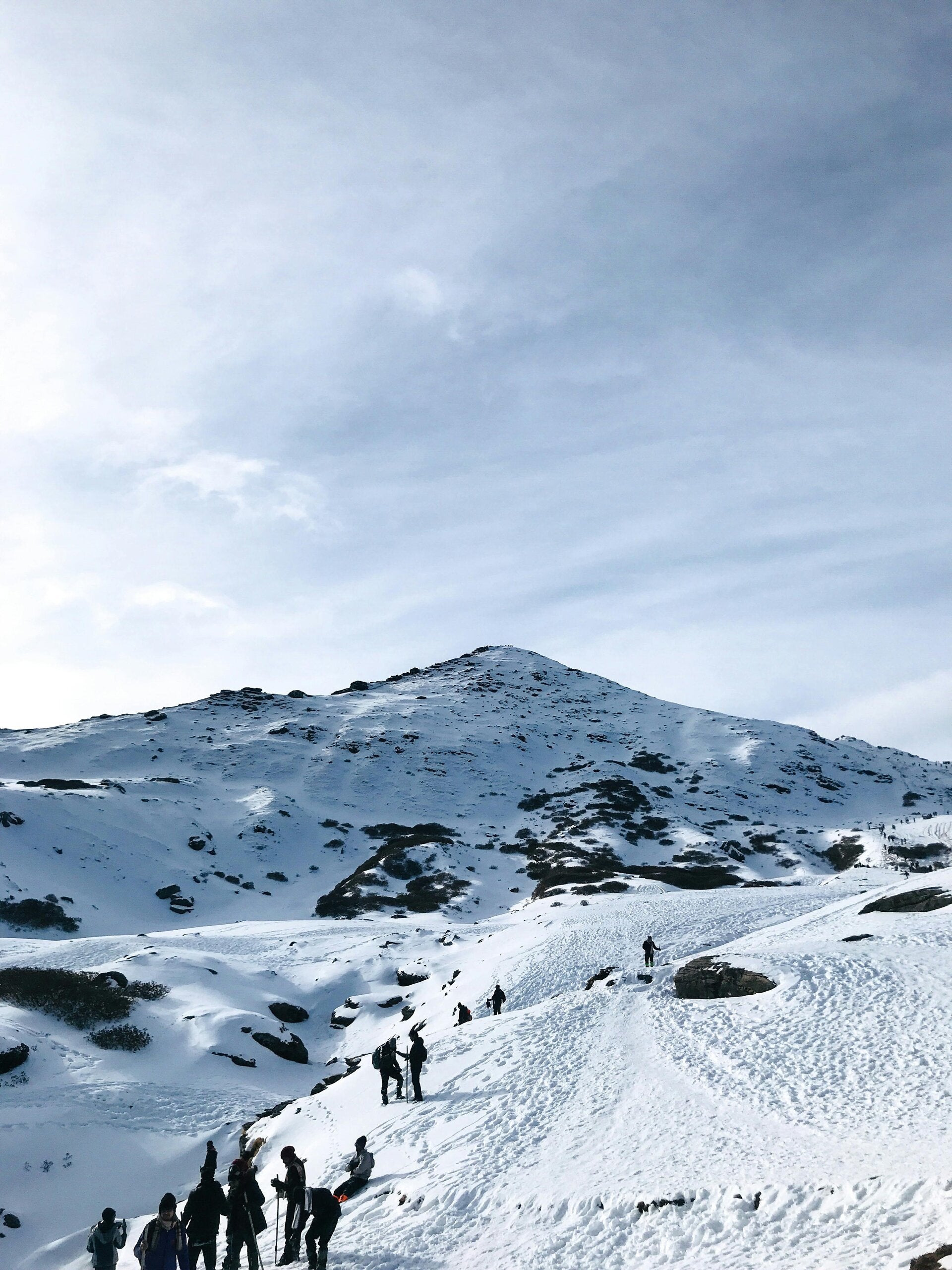
This is one of the most common questions travelers ask, and the short answer is almost always no. Sicily enjoys a mild Mediterranean winter, especially along the coast, where cities like Siracusa and Taormina rarely see snow at all. Most winter days are cool and comfortable, well-suited to walking, sightseeing, and spending time outdoors. Snow does occasionally appear on Mount Etna, which is part of what makes the volcano so striking in winter, but this does not affect travel across the island. Roads remain open, towns continue their daily rhythm, and historic sites are accessible. For most visitors, winter in Sicily feels far more like a calm early spring than a traditional winter season.
Is Sicily Busier or Slower in Winter?
Winter is a quieter time to be in Sicily. The large tour groups are gone, cruise traffic is minimal, and towns move at their normal pace. This makes a real difference when you are walking through historic centers or visiting archaeological sites. You are not navigating crowds or waiting your turn to see something that deserves time and attention. The island does not shut down in winter. Major archaeological sites, museums, churches, and historic towns remain open, and guided visits continue throughout the season. Winter light brings out detail in stone and architecture that can be easy to miss in harsher summer sun. Baroque cities such as Noto and Ragusa are easier to appreciate without crowds, and places like ancient theaters feel more grounded and immediate when you can stand and look without distraction.
Winter Food & Wine in Sicily
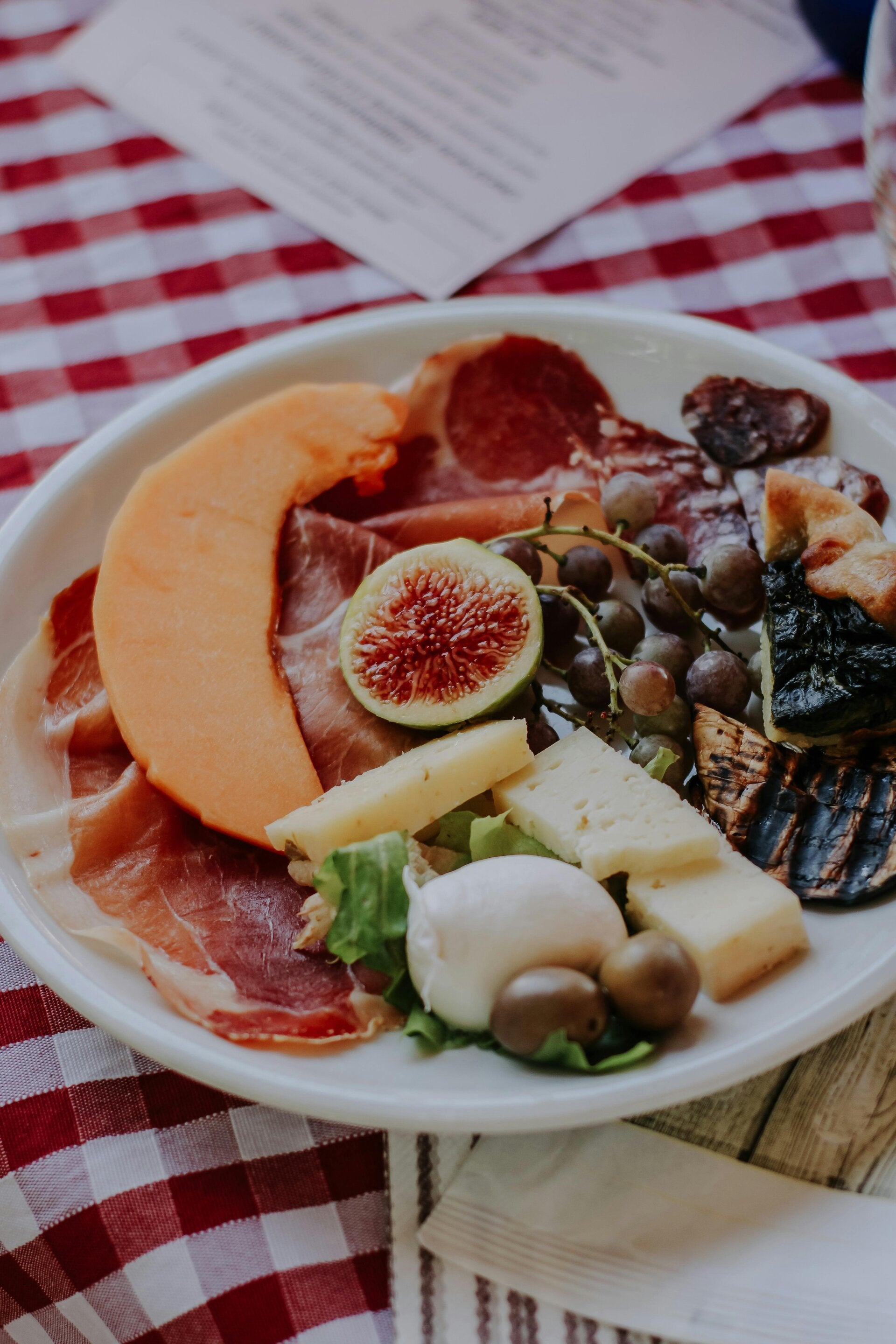
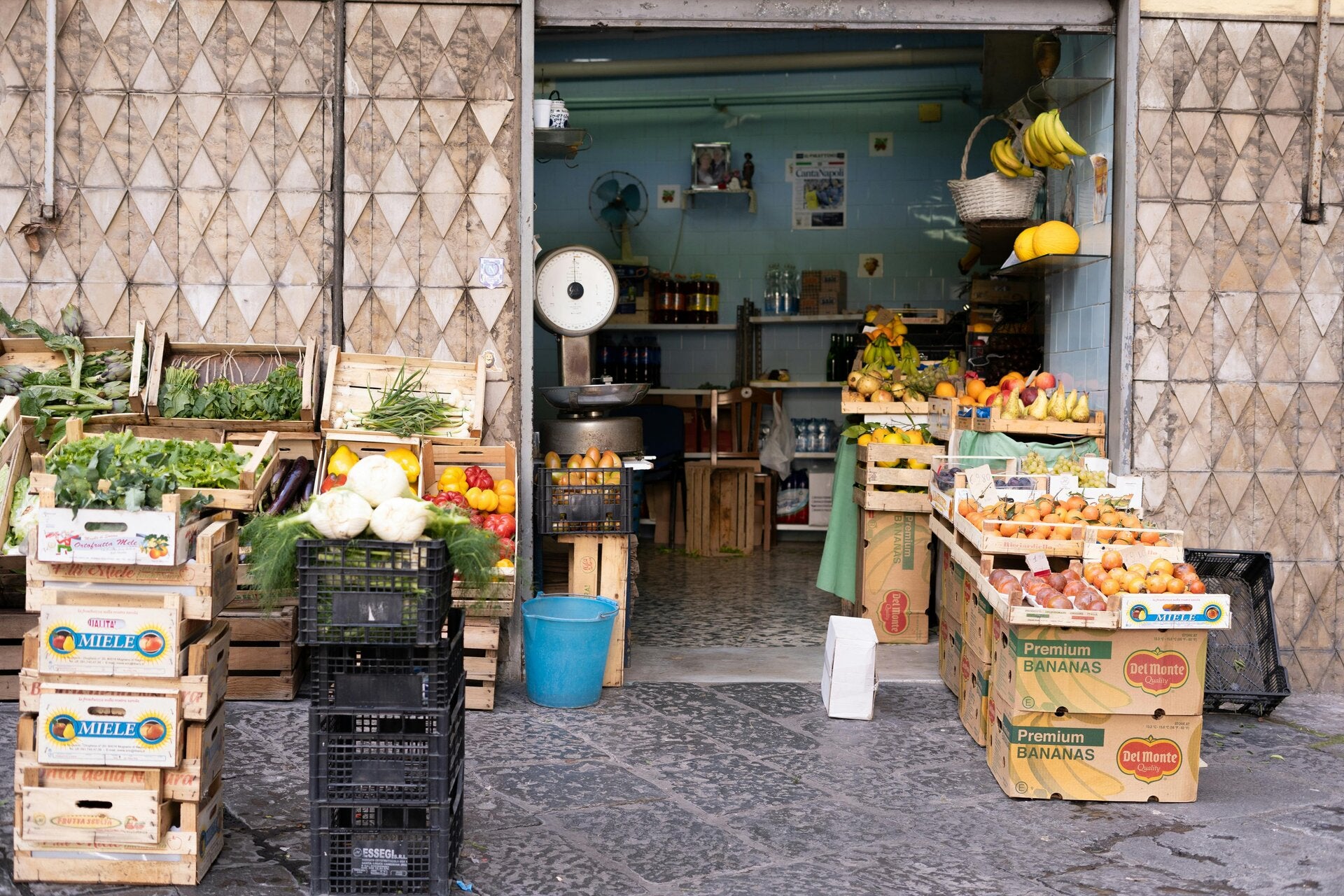
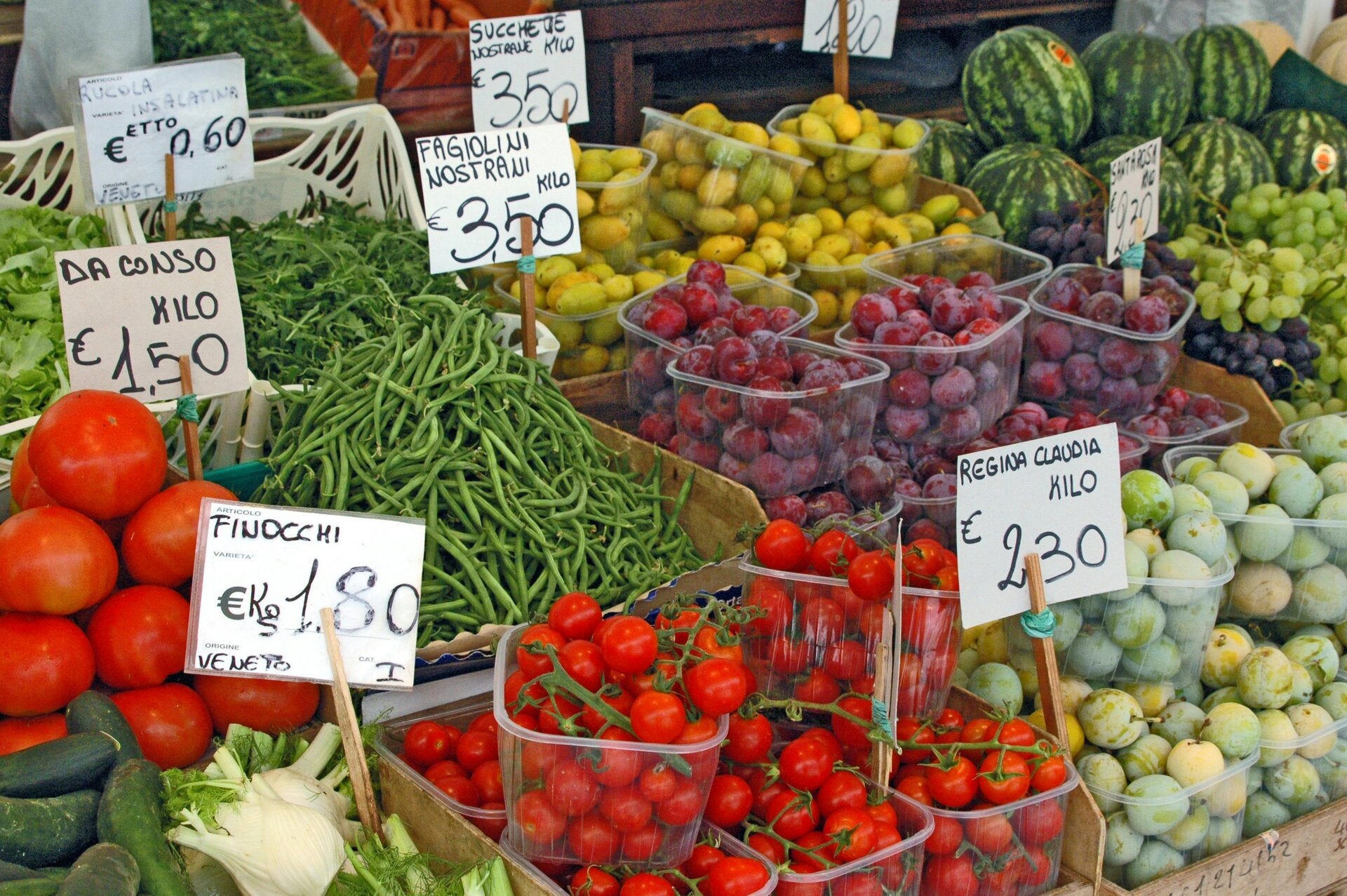
Sicilian cooking is seasonal, and winter menus reflect what people actually eat at this time of year. You will see fewer light summer dishes and more recipes built around vegetables, legumes, grains, seafood, and slow-cooked preparations. Meals tend to feel substantial without being heavy, shaped by what is available locally rather than by visitor expectations. For travelers, this often means a clearer sense of regional cooking and family traditions. Winter does not limit Sicily’s wine culture. Wineries remain open, particularly in established areas such as those around Mount Etna, and tastings continue throughout the season. Visiting wineries in winter often feels more relaxed and direct. There is more time for conversation, fewer distractions, and a better opportunity to understand how the land and climate influence what is in the glass. Cooler weather also suits Sicily’s wines well, especially those grown in volcanic soil, which tend to show structure and character rather than opulence.
What Makes Sicilian Winter Special
Sicily is different in the winter months. With fewer people passing through, it becomes easier to notice how towns function, how history fits into daily life, and how much of the island is still shaped by long-standing traditions rather than tourism. Ancient sites, historic centers, and ordinary neighborhoods feel connected rather than compartmentalized. For many travelers, winter offers a more complete picture of Sicily. There is time to engage with guides, space to understand what you are seeing, and a sense that the island is being shared rather than staged. It is not a quieter version of Sicily. It is Sicily at its most straightforward and approachable. If you are interested in traveling to Sicily in the winter, you can learn more about our winter tour here.
Our thanks to writer Julianna Nasif for crafting this blog article.
Add comment
Comments