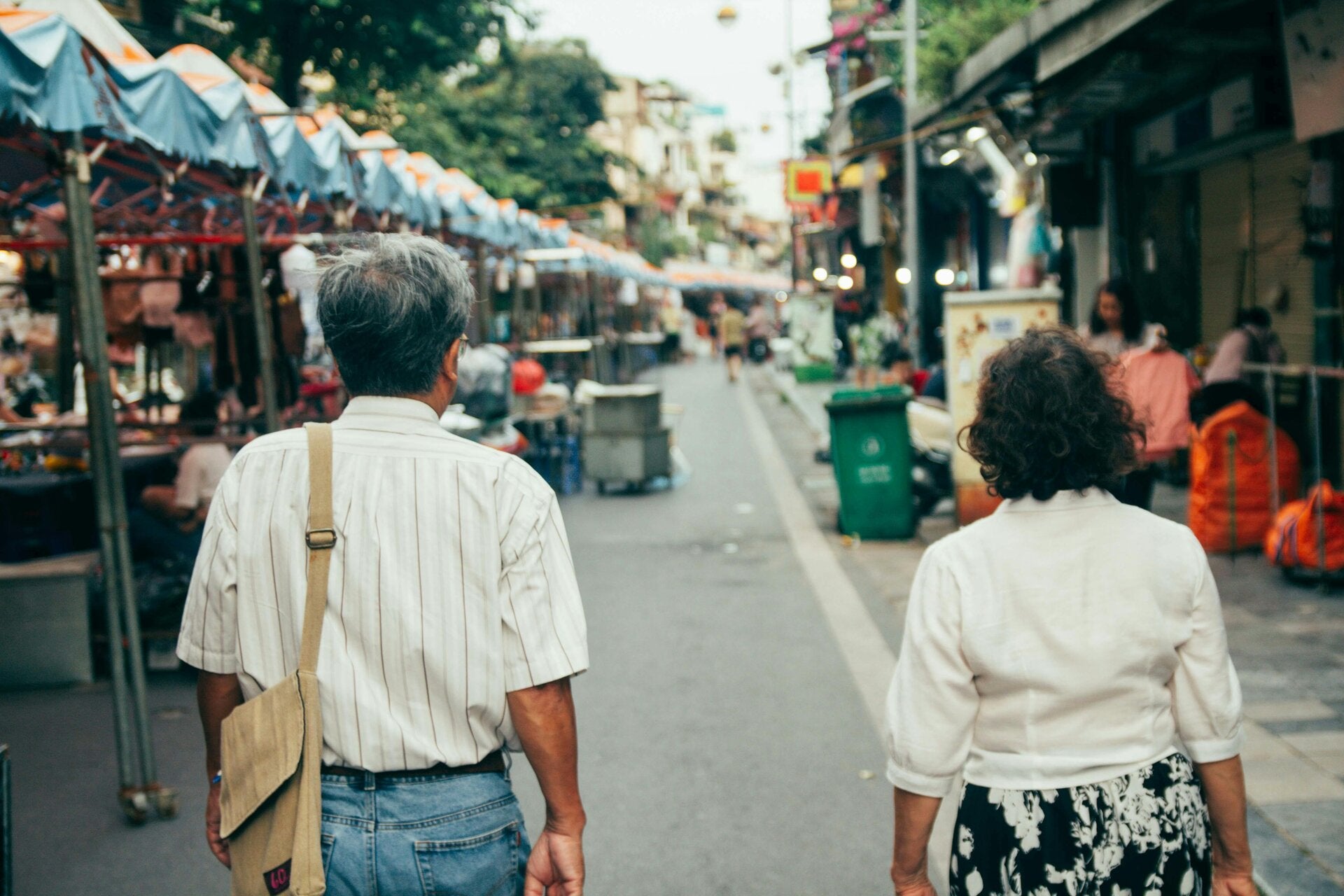
The phrase “traveling with locals” is often used, but what does it actually mean in practice, and why does it matter? Traveling with locals changes the structure of a day. It shifts attention away from landmarks alone and toward the people who shape daily life. Vendors are greeted by name. Small food stalls are chosen because someone knows when they are best. Music is encountered naturally, not staged for visitors, but woven into the places people gather. This is the difference. Traveling with locals is not about being guided through a destination. It is about moving through it with people who belong to it, opening doors to experiences that exist beyond the usual visitor path.

The Moment that shaped the day
Local knowledge and experience shape every journey. Even before the journey begins, Manuela and the office team are helping travelers navigate flights, arrivals, and departures in ways that make sense for each region, drawing on firsthand understanding of how people actually move through these places. Walking and market tours are led by people who live and work in the neighborhoods being explored. They know which routes make sense, which producers are worth visiting, and how studios, shops, and markets connect organically within a single area. Time is spent moving through places with purpose rather than wandering without context. Hotels are carefully chosen, positioned close to food, culture, and daily life, so the time between experiences feels intuitive rather than isolating. Tour leaders remain a trusted point of reference, offering practical insight that comes from living locally, with recommendations shaped by real familiarity rather than general advice. In some destinations, even how one moves becomes part of local life. In Ostuni, traveling by Ape is not a novelty but a natural way to navigate the historic center. It fits the scale of the town and reflects how people move there every day. These choices are not added for effect. They emerge from understanding how places function from the inside.

Local Flavors & Spirits
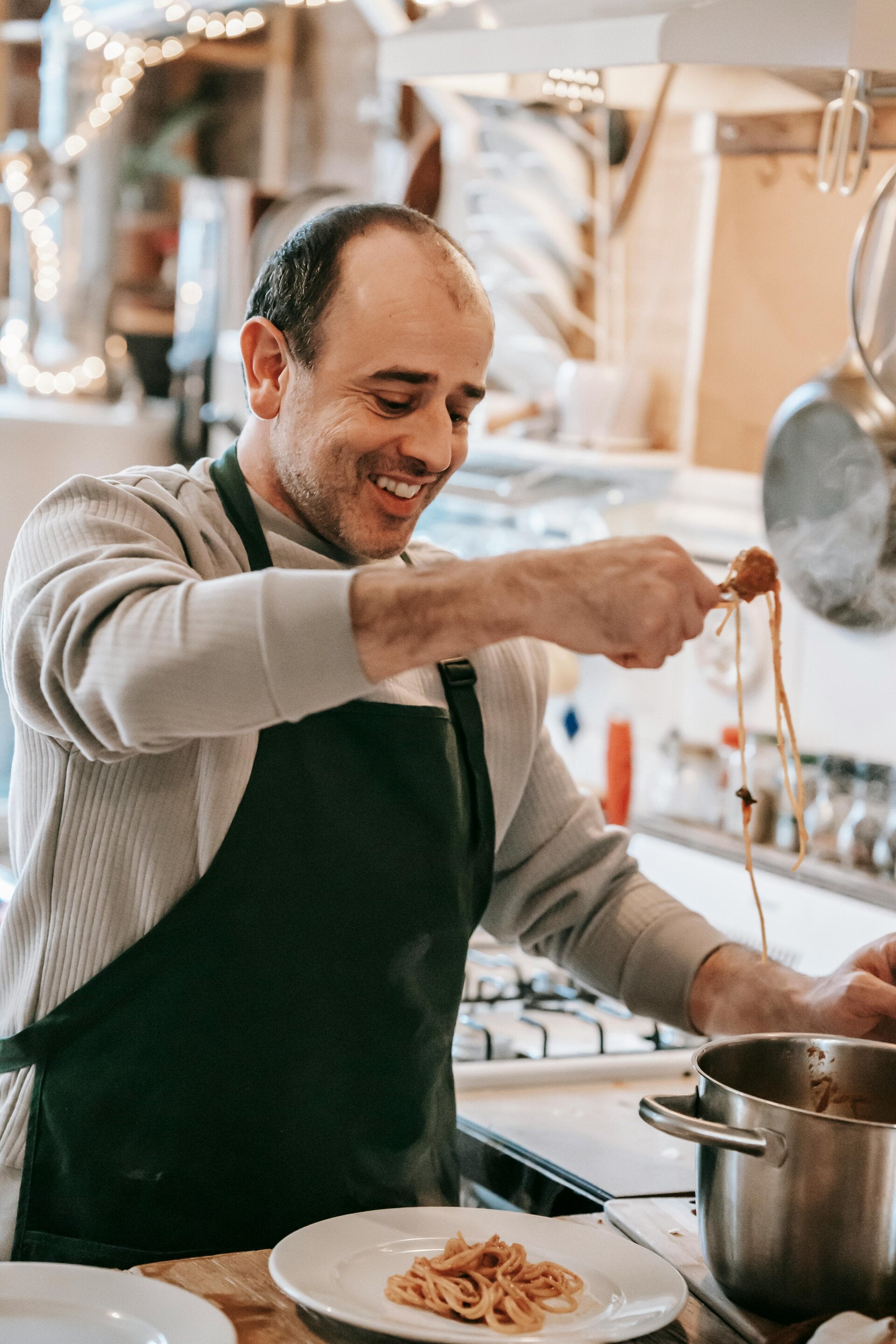
In wine regions, the difference is immediate. Visiting a winery is easy. Understanding where to go, when to arrive, and what is worth tasting is not. Traveling with locals means stepping into working vineyards where production comes first, and hospitality follows naturally. The wines poured are those that represent the region honestly, not the labels most familiar to visitors. Conversations move beyond tasting notes. Someone explains why a particular bottle is opened that day, or why another is left untouched. Time is spent learning how the land, the season, and tradition shape what ends up in the glass. The experience becomes about context and quality. This is what local knowledge provides. Not more wine, but better wine. Not a scheduled stop, but a deeper understanding of why certain places matter. Street food is also often overlooked or treated as a novelty, but for locals, it is part of daily life. Knowing where to stop and when to go makes all the difference. A stall visited at the right hour offers something entirely different than the same place encountered at random. Ingredients are fresher. Preparation is intentional. The exchange is familiar rather than transactional. Traveling with locals turns street food into context rather than coincidence. What might look like a quick bite becomes a lesson in regional habits, seasonal ingredients, and personal preference. These stops are chosen because they are trusted, not because they photograph well. The result is food that reflects how people actually eat, not how visitors are usually fed.

Why Small Producers Matter
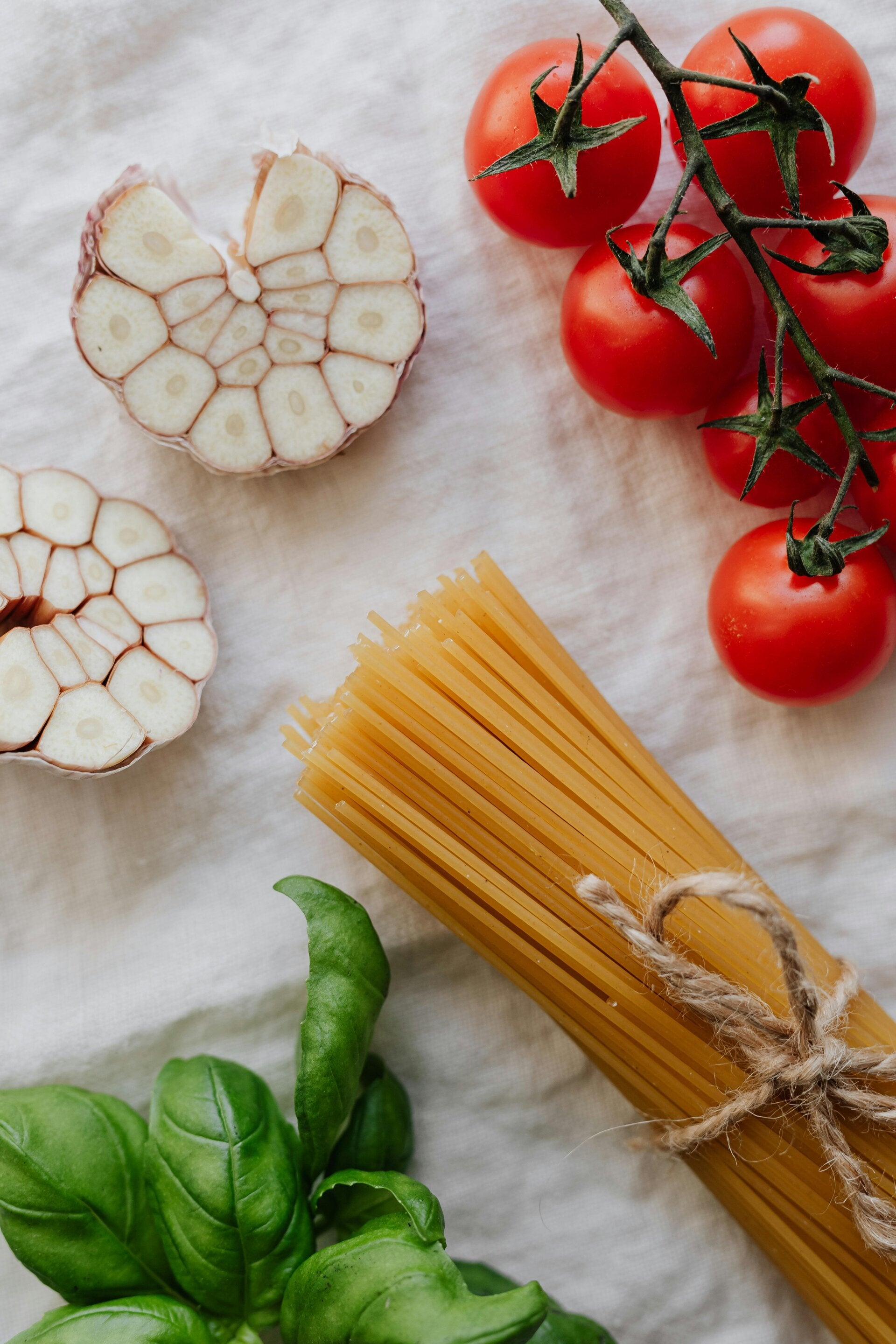
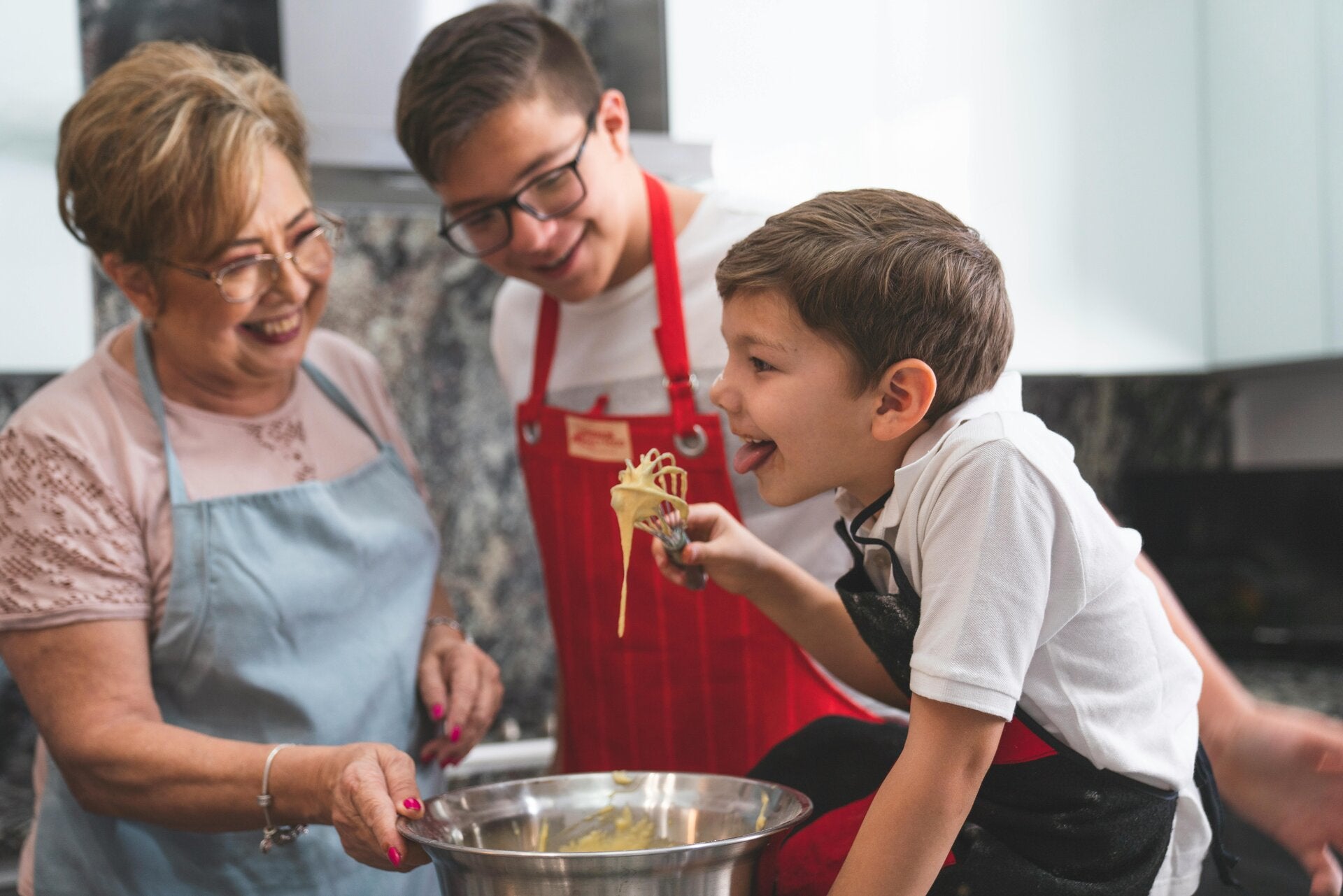
The same principle applies beyond food and wine. Small workshops, family-run producers, and regional institutions often hold the clearest stories of a place. Silk museums, pasta makers, cork factories, and similar spaces are not selected for scale or spectacle. They are chosen because locals still go there themselves. These places continue to operate outside mass tourism because they exist first for their communities. Their value lies in continuity and craft rather than volume. Traveling with locals opens access to these environments not as performances, but as working spaces where traditions are maintained quietly and deliberately. Experiences like these reveal how a region sustains itself. They offer insight into skills passed down over generations and choices made to preserve quality over expansion. This is not about seeing something rare. It is about understanding why certain things endure.
A Local Perspective
Traveling with locals shapes every part of a Secret Italia journey, beginning long before a day unfolds. It influences which regions are chosen, which towns are included, and which experiences are worth building a tour around. Many of the places now highlighted by national publications as lesser-known or emerging have been part of our itineraries for years, not because they were trending, but because they were already meaningful to the people who live there. In the end, traveling with locals is not a feature added to the experience. It is the foundation of how our tours are designed, ensuring that each journey feels informed, authentic, and deeply connected to the places we explore.
Our thanks to writer Julianna Nasif for crafting this blog article.
Add comment
Comments