In Southern Italy, tradition is the foundation of life. These are not simply passed-down recipes or cherished heirlooms, although those exist in abundance. Southern Italian traditions govern how life is lived and how the world is understood. They are lived experiences, shaped by necessity and continuity, functional rather than sentimental.


Family Comes First
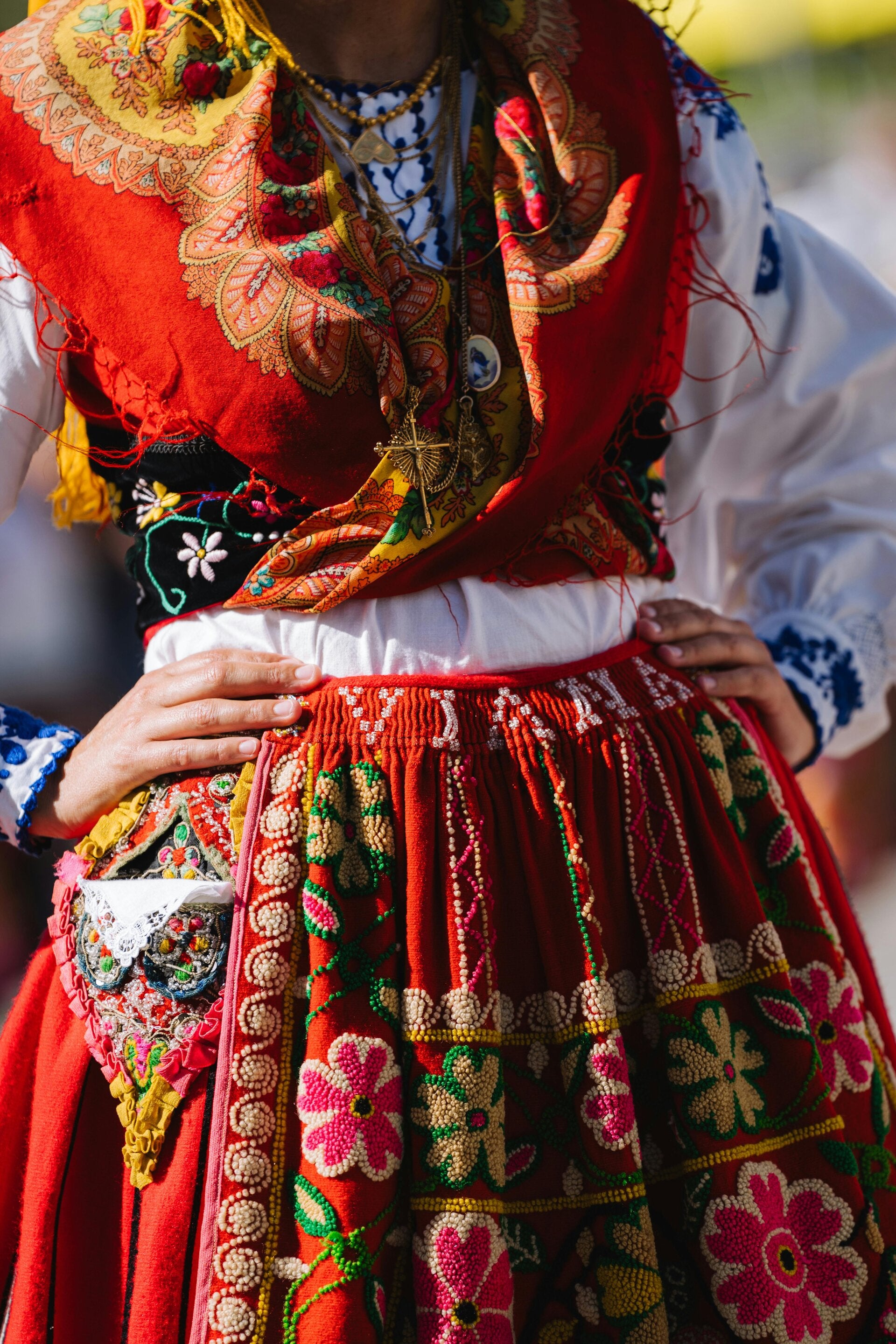
Family is the primary social structure in Southern Italy, shaping identity, obligation, and belonging long before the individual comes into focus. Life unfolds within a web of close relationships that extend across generations, where presence matters as much as affection. Daily routines often revolve around shared meals, familiar voices, and the steady influence of parents and grandparents who remain deeply involved in family life. Care, advice, and support move naturally through these bonds, creating a sense of continuity that anchors people to both place and history. Family traditions often take shape through repetition rather than ceremony: a grandmother calling from the kitchen, a cousin stopping by without notice, three generations sharing the same table without thinking twice. Sunday lunches stretch long into the afternoon, recipes prepared the same way they have been for decades. Holidays are marked by familiar rituals, from specific dishes cooked only once a year to visits that follow an unspoken order. Stories are retold, family roles remain consistent, and small gestures carry meaning precisely because they are expected. These traditions are rarely announced or formalized, yet they endure through steady practice, reinforcing a shared sense of identity across generations.
Food, Wine & Memory
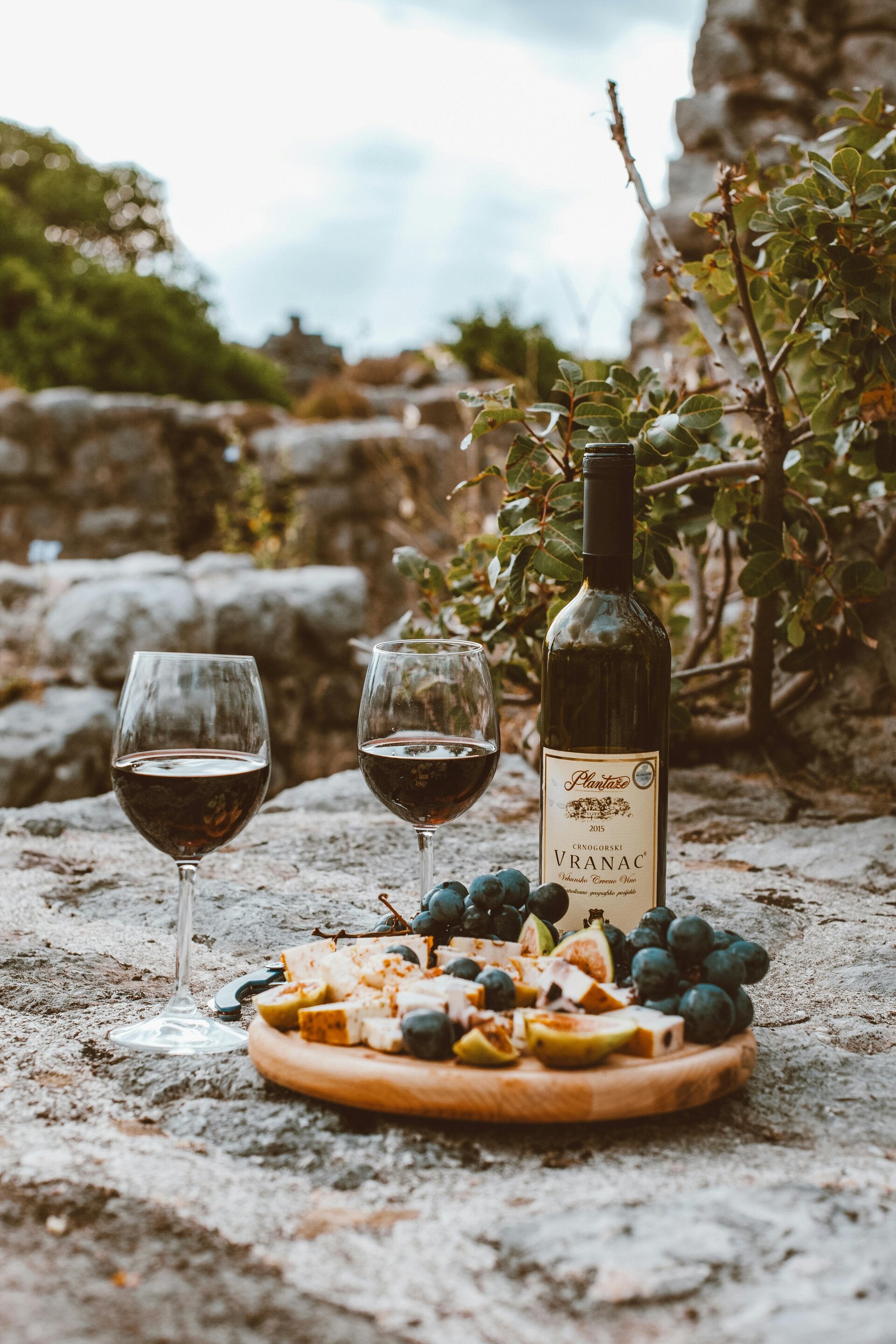
In Southern Italy, recipes are a form of memory. They are learned early, passed along casually, and rarely written down. A dish is remembered by taste and repetition rather than instruction, shaped over years of watching someone else cook it the same way, every time. Food carries stories, habits, and family history without needing explanation. Meals are understood as nourishment in a deeper sense. Food feeds the body, but it also feeds memory and the soul. Familiar flavors bring back moments from childhood, voices from past kitchens, and stories told and retold at the table. A familiar sauce tasted again years later can unlock a flood of stories that begin before anyone realizes they’ve started talking. A single taste can recall a person, a season, or a place that still lives vividly in the mind. In this way, food becomes a bridge between generations, carrying the past gently into the present. Meals are meant to be shared. Sitting down at the table signals more than hunger. It is an agreement to be present, to talk, to linger, and to take part. Lunches stretch, dinners invite visitors, and chairs are added as needed. Food creates a space where relationships are maintained and strengthened through simple, repeated gestures. Wine follows the same rhythm. In family vineyards, work often unfolds across generations, with parents, children, and grandparents sharing the patterns of the land. Knowledge is passed through showing and telling, learned by walking the rows together and repeating the same seasonal tasks year after year. Wine is produced to be shared, opened easily, and enjoyed among people who know one another well. More than any other tradition, food and wine dominate life in Southern Italy. They are practiced daily, shaped by family and place, and reinforced through shared experience. Long after other customs change, the table and the vineyard remain, offering continuity, pleasure, and a sense of belonging that feels natural rather than preserved.
Rooted in Land
In Southern Italy, land is not a setting. It is an active presence that shapes daily life in visible and lasting ways. Volcanoes rise above towns and vineyards, coastlines open communities to the wider world, and mountains divide places that may sit only a short distance apart. This landscape offers both abundance and uncertainty, and people learn early to live with that balance. Volcanic forces have shaped Southern Italy for centuries. The fertile soils surrounding Mount Etna, Mount Vesuvius, and Stromboli nourish vineyards, orchards, and fields that have sustained families for generations. At the same time, these landscapes carry a risk that is never entirely forgotten. Living with that awareness encourages patience and a long view of time. Plans are made thoughtfully, with the understanding that nature ultimately sets the terms. The sea shapes life just as powerfully. Along the coast, fishing, trade, and travel have long connected Southern Italy to the wider world, bringing opportunity and disruption in equal measure. Inland, mountain ranges slow movement and preserve strong local identities. Villages
develop their own rhythms, customs, and loyalties, shaped less by national influence and more by the land itself. Land also binds families across generations. Property is often inherited rather than acquired, carrying memory alongside responsibility. Fields and vineyards are walked by the same families year after year, season after season, creating continuity that stretches both backward and
forward in time. People remain rooted not out of habit alone, but because the land holds their stories, their labor, and their sense of who they are.
Ritual, Faith, & Public Life
In Southern Italy, belief is rarely private. It unfolds in public spaces, shaped by shared rituals, familiar symbols, and collective participation. Catholicism provides the framework, but it comfortably shares space with superstition, local custom, and everyday spectacle. Faith appears not only in churches, but in gestures, conversations, glances, and habits that everyone
recognizes and quietly monitors. Public life is structured around being seen and known. People notice who attends festivals, who
skips them, who joins the procession, and who watches from the edge of the square. Observations are exchanged casually, often with humor, sometimes with concern. Gossip functions less as judgment than as a form of social awareness, a way of keeping track of one
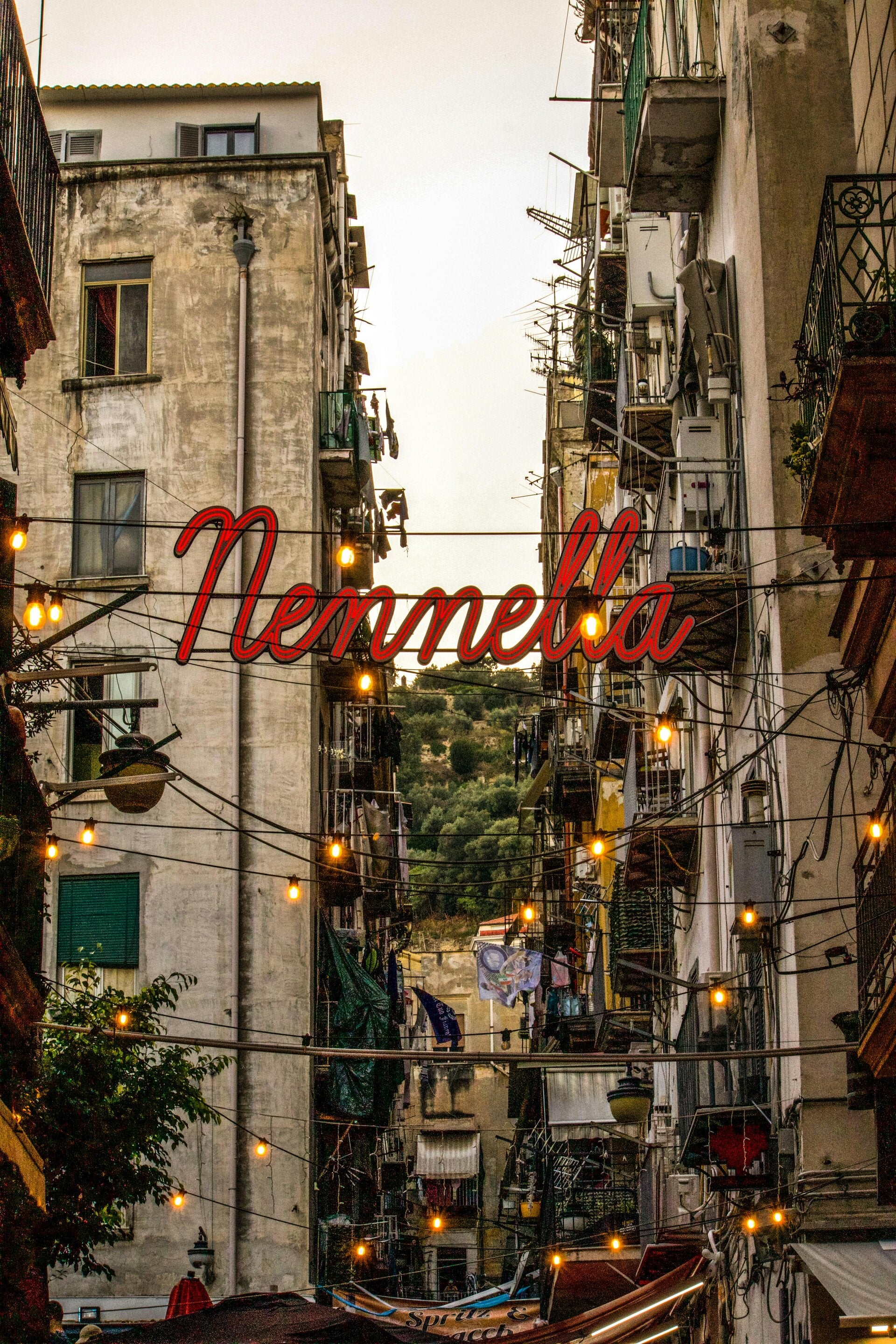
another. Belonging is reinforced through showing up, through familiar faces appearing in familiar places, and through shared reference points that require no explanation. Rituals and public gatherings give this shared life its energy. Festivals spill into the streets, fireworks interrupt dinner, and football matches draw commentary from every corner. Religious observance, celebration, and everyday life blend easily, creating moments where everyone
participates in some way, whether fully involved or quietly watching.
Where Tradition Still Lives
In Southern Italy, tradition is not preserved for display. It survives because it continues to serve daily life. It lives in kitchens and vineyards, in public squares and family homes, shaped by land, memory, and shared presence. These customs endure not because they resist change, but because they provide stability in a world that sometimes moves too fast. Southern Italy is a place that values connection over convenience, participation over performance, and belonging over novelty. For travelers drawn to places where tradition remains woven into everyday life, Southern Italy offers something rare. Experiencing it fully means slowing down, paying attention, and allowing time for relationships, rituals, and place to reveal themselves. Secret Italia’s small group journeys are designed with this spirit in mind, offering thoughtful access to the people, landscapes, and traditions that continue to define the region. If you wish to learn more about our small group tours in Southern Italy, view the following link here
Our thanks to writer Julianna Nasif for crafting this blog article.
Add comment
Comments